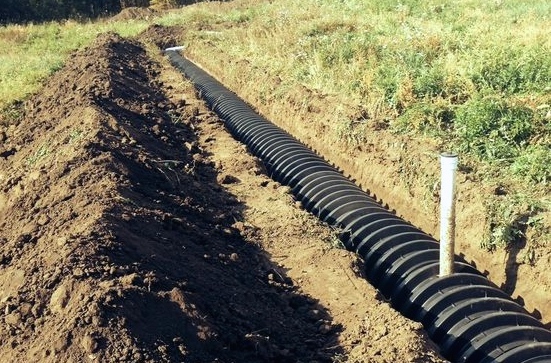
Wastewater Solutions takes pride in completing our own site evaluations and sewage system design. Completing the entire process from beginning to end allows us to know the exact situation from our own firsthand experience rather than relying on information from an outside source. This allows us to ensure that we design a proper sewage system for your property and household. Improperly designed systems can contaminate ground water, have poor longevity, fail municipal inspections, or even fail completely leading to sewage backup.
Did you know:
When building on a new lot, the first thing that should be placed is the sewage system, not the house. By doing this, you will save yourself potential costs and headaches later on in the development process.
Site Evaluations & System Design FAQs (Expanded)
1. What is included in a site evaluation?
A site evaluation involves a detailed assessment of your property, including soil conditions, slope, drainage, and water table levels. These factors determine how wastewater will be treated and where system components can be placed. A thorough evaluation ensures the system is designed correctly from the beginning, reducing the risk of future issues.
2. Why is septic system design so important?
Septic system design directly impacts how well your system performs and how long it lasts. A properly designed system ensures efficient wastewater treatment, prevents environmental contamination, and complies with regulations. Poor design can lead to frequent failures, costly repairs, and even complete system replacement.
3. Do you perform percolation (perc) tests?
Yes, percolation testing is a key part of the evaluation process and measures how quickly water drains through the soil. This information is essential for determining the type and size of the septic system required. Without accurate testing, the system may not function properly over time.
4. Can you design systems for difficult soil conditions?
Absolutely, engineered systems can be designed for properties with clay soil, high groundwater, or limited space. These systems use specialized components and layouts to ensure proper treatment even in challenging conditions. This allows homeowners to safely install septic systems where conventional designs would not work.
5. Do you handle permits and approvals?
Yes, all required permits and approvals are handled as part of the design process, ensuring compliance with Alberta regulations. This eliminates the complexity for homeowners and ensures everything is done correctly from a legal standpoint. Proper permitting is essential before any installation begins.
6. How long does the design process take?
The timeline depends on the property and permitting requirements, but evaluations are typically completed quickly, with design and approvals following shortly after. More complex properties may take longer due to additional testing or regulatory steps. The goal is always to move efficiently without compromising accuracy.
7. What factors influence system design?
Several factors influence design, including soil type, property size, slope, water usage, and environmental considerations. Each property is unique, so the system must be tailored accordingly. A one-size-fits-all approach does not work for septic systems.
8. Do you design systems for new and existing homes?
Yes, system design services are available for both new construction and existing properties needing upgrades or replacements. Whether you’re building from scratch or replacing an old system, the design process ensures the new system meets current standards.
9. Will I get different system options?
Yes, you’ll typically be presented with multiple system options that suit your property and budget. This allows you to choose between different technologies or layouts based on your priorities. Having options ensures you get the best long-term solution.
10. What happens after the design is complete?
Once the design is finalized and approved, the project can move directly into installation. Because the same company handles both phases, the transition is seamless and efficient. This reduces delays and ensures the system is installed exactly as designed.