Septic Installation Mistakes: 7 Costly Errors to Avoid
Key Takeaways
-
Think of soil, water table, and slope as the secret footing of a dependable septic system. Begin with professional soil tests, water table measurements, and topographic mapping to steer clear of failures and safeguard your property value.
-
Design the system for actual family usage to avoid overloading and backups. Use occupancy, bedrooms, and estimated daily flow to right-size tanks and drain fields.
-
Locate tanks and drain fields with defined setbacks from wells, waterways, and buildings to comply with codes and avoid contamination. Check local codes, record distances, and obtain permits prior to excavation.
-
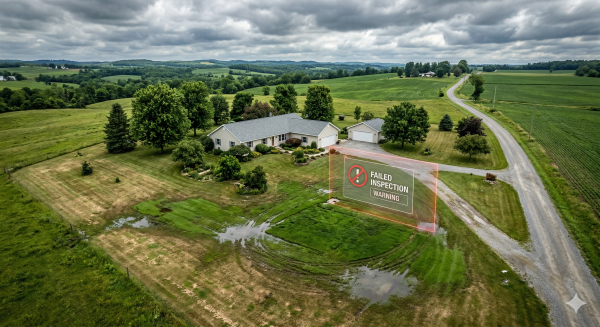
Design and install the drain field just right so the waste is properly dispersed and doesn’t pool. Keep an eye out for early warning signs such as abnormally green patches or soggy areas and address problems promptly.
-
Steer clear of budget shortcuts, aggressive timelines, and unlicensed installers to minimize your legal, environmental, and financial exposure. Vet licensed contractors, use approved materials, and schedule inspections at every key stage.
-
Guided by a professional blueprint from site evaluation to custom design and quality execution to pass inspections and support long-term reliability. Keep a record of tests, approvals, and maintenance to guard your resale potential.
Septic installation mistakes are errors committed during the planning, sizing, placement, or setup of a septic system that can lead to system failure, health hazards, and expensive repairs. Common problems are inadequate site evaluation, undersized tanks, incorrect soil percolation data, and pipes laid without proper slope. Permit or local code skips also result in fines and mandated rework. Using non-approved materials, situating the drain field too near wells or buildings, and neglecting groundwater depth increase the likelihood of leaks and backups. No access risers or inspection ports make maintenance slow and hard. To prevent premature clogs, a multitude of pros emphasize appropriate load calculations, effluent screens, and well-defined setback regulations. The sections below highlight key risks and remedies with simple steps.
The Unseen Foundation
Septic performance depends on what you cannot see: soil structure, groundwater depth, land slope, and the biomat that forms in the drain field. Skipping these checks results in failed inspections, property damage, and repairs that can cost more than the original install.
Soil Composition
Soil controls how wastewater moves and gets treated before it reaches groundwater. A site assessment should include a percolation test, a soil profile to at least 1.5 to 2.0 meters, and identification of restrictive layers or mottling that show past saturation. Inappropriate soils, such as heavy clay, silt lenses, or hardpans, slow flow, starve oxygen, and choke the drain field. Sand and loam, with the right structure, allow filtration and biological treatment without rapid short circuiting.
Ignoring soil science truncates system life and beckons pump-outs, wet spots or surfacing effluent. It messes up the biomat’s development. The biomat, an inevitable layer that begins as soon as that first toilet is flushed, does important treatment work, but in dense or insufficiently aerated soils it hardens too quickly, leading to clogs and backups. Regular pumping and inspection slow that growth and can push system life past 25 years. Neglect cuts that in half.
|
Soil type |
Permeability |
Suitability |
Notes |
|---|---|---|---|
|
Coarse sand |
High |
Conditional |
Risk of poor treatment; may need larger area |
|
Loamy sand/loam |
Moderate |
Good |
Balanced flow and treatment |
|
Silt loam |
Moderate–low |
Fair |
Needs larger field; monitor biomat |
|
Clay/clay loam |
Low |
Poor |
Clogging risk; often not acceptable |
|
Fractured rock |
Variable |
Conditional |
Requires careful evaluation and pretreatment |
Water Table
Measure groundwater during wet and dry seasons, not a site visit. High water tables flood trenches, float tanks, and force untreated sewage to the surface, which is a health hazard and environmental breach. Track seasonal swings of 0.5 to 1.0 meters or more. Design vertical separation to protect treatment, oxygen flow, and biomat balance.
If depth is neglected, authorities may necessitate early pumping, penalties, or improvements such as raised mounds and advanced pretreatment. That price frequently eclipses a decent poll.
Site Topography
Map the site with a level survey to set grades that shed stormwater and snowmelt away from the house and the field. Tanks or trenches on slopes without cut and fill, swales or retaining features encounter erosion, pipe strain and lopsided effluent loading.
-
Steep slopes include trench slippage, differential biomat loading, and hard maintenance access.
-
Depressions: water pooling, oxygen loss, rapid biomat thickening.
-
Converging runoff paths: hydraulic overload, surface outbreaks.
-
Fill over old soils: settlement, broken lines, unpredictable percolation.
Bad design creates saturated areas, smells, and drains too slow that only get worse as the biomat develops. HR solutions and control guard treatment capacity and property value.
Critical Septic Installation Mistakes
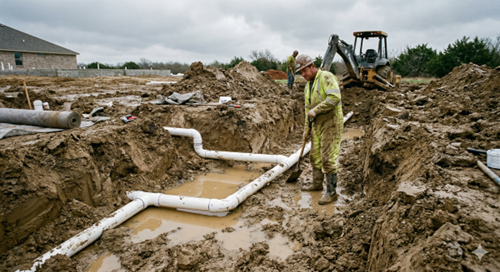
The most devastating septic disasters begin quietly. These problems typically remain out of sight until slow drains, foul odors, saturated and soggy yards, or backups at capacity compel attention. These errors derail inspections, stall sales, and trigger fines or cleanup orders. Identify them in advance to safeguard safety, value, and budgets.
1. Ignoring The Ground
Property evaluation mistakes are the quickest route to failure. Soil that drains too fast flirts with groundwater pollution. Soil that drains too slow clogs and ponds. Uneven terrain, shallow bedrock, and high water tables all affect design and cost.
Percolation tests and lab soil analysis aren’t optional. Without them, wastewater can short-circuit to wells or sit and stink. Poor excavation or rough trenches crush pipe slopes, create sags and trap solids, resulting in reoccurring blockages.
Septic drainage problems can display themselves months later after spring rains. Fixes, such as regrading, curtain drains, or a new field, are expensive and lower sale value.
2. Undersizing The System
Fit system size to actual water use. Small tanks or short drain fields overload quickly, leading to slow sinks, gurgling toilets, and frequent pump-outs.
Size for bedrooms, anticipated guests, daily flow in liters, planned laundry loads, garbage disposal use, and future additions. Undersized systems fail inspections and can kill a sale or refinance.
3. Wrong System Placement
Keep tanks and fields well away from wells, streams, and property lines. Location matters a lot. Separate them from buildings, trees, and driveways because weight and roots crack lids and pipes.
Improper siting violates health regulations and attracts fines. It obstructs access for pumping and repairs, decreasing buyer appeal down the road.
4. Botching The Drain Field
Drain fields require level trenches, clean aggregate and the right pipe slope to distribute flow. Poor design soaks soil, creates boggy patches and drives smells through the yard.
Look for bright green stripes, soggy patches, or a whiff of sewage—warning signs of septic strife. A failed field is one of the costliest repairs you’ll encounter and can even stall a property transaction.
5. Disregarding Local Codes
Permits, setbacks, and inspections minimize risk. Ignoring them leads to stop-work orders, lawsuits, and system removal. Code gaps appear during sales, slashing buyer trust and driving tough negotiations.
6. Using Poor Materials
Approved tanks, rated pipes, watertight fittings, and tested risers. Cheap parts leak, clog, and void warranties. Maintain a pre-approved supplier list and check product specifications.
7. Rushing The Process
Rushing leads to off-center tank placement, incorrect hookups, and shoddy backfill. Missed inspections conceal defects. Ignoring routine septic tank pumping and continued care escalates minor flaws into catastrophic failures.
The Ripple Effect
Septic installation errors don’t remain local. One missed soil test or ill-sized tank has the potential to create a ripple that impacts property value, legal standing, and the health of your community. The ripple effect explains how an event radiates out, forming the right outcomes for owners, buyers, lenders, and regulators, like waves from a stone in a pond. These impacts are typically complicated and challenging to forecast, but they are frequent and expensive when systems fail tests or seep into groundwater.
Failed Inspections
Mistakes often arise at required inspections prior to moving in or selling. Inspectors identify noncompliant setbacks, undersized drainfields or missing permits. A loose baffle or clogged effluent filter will do it.
Those failures delay construction schedules and closing dates. A builder might have trades on-site while a redesign gets approved. As a seller, you could lose a loyal purchaser while you await remediation.
Typical triggers are poor siting in saturated soils, tanks set too shallow or deep, incomplete maintenance records, illegal graywater tie-ins, venting or access violations, and legacy components that no longer meet code. Repeat failures undermine trust. Appraisers discount value and buyers wonder about maintenance over the entire house.
Blocked Sales
Unbelievable septic red flags stop deals. Buyers retreat when they see ponding in the yard after a rain or lab reports indicating elevated nitrates. Others step aside at the first sign of failed perk tests.
Many lenders will refuse mortgages if recent inspection reports are non-compliant. That drives sellers to last-minute fixes, bandage systems, or deep discounts to hold attention. A clean, documented septic record, including permits, as-builts, and pump logs, keeps momentum and signals lower risk.
Legal Liability
Improper installation can cause claims from neighbors, buyers, or agencies when seepage crosses lot lines or enters streams. Leaks increase health hazards and can contaminate wells, gardens, and ecosystems. Liability goes beyond immediate penalties, mandatory recalls, and extended surveillance programs that persist beyond a transaction.
-
Civil penalties for code breaches and unpermitted work
-
Orders to replace tanks or drain fields within fixed timelines
-
Cost recovery for cleanup, water testing, and well treatment
-
Claims for property damage, nuisance, or medical costs
-
Daily penalties for ongoing discharge until corrected
Environmental Fines
Untreated discharge into ditches, wetlands, or aquifers can attract heavy fines from local and national agencies to protect water and public health. These penalties can dwarf appropriate install costs and might even involve soil removal and site remediation. A pollution history clings to reports, scaring away new bids. As with policy shifts or tech shocks in markets, one tiny blunder can ripple out large, rapidly and at a high cost.
Why These Errors Occur

Most septic failures can be traced to design gaps, hurried or inaccurate installations and poor maintenance. Budget pressure, missing expertise, and tight timelines pressure teams to trim steps that preserve drainage, tank capacity, slope, and soil absorption. These errors are avoidable with design, expert supervision, and consistent care every one to three years.
Budget Cuts
Tight budgets frequently trade out tried and true materials for thin pipe walls, undersized tanks, or cheap distribution boxes. Bypassing a soil percolation test or a groundwater check conceals constraints that subsequently strangle the drain field. Bad slope and bad grading then stall flow, causing backups or surfacing effluent.
Underfunding fuels hasty work. Crews could skip bedding, compact bad soil, or place tanks on uneven subgrade. Excavation and leveling mistakes twist inlet and outlet elevations, so scum and sludge migrate where they shouldn’t.
Short-term savings lead to high downstream costs. These costs include pump-outs after clogs from non-human waste, fines for regulatory breaches, or full drain field rebuilds when soil loading is misjudged. Surges of water use, like washing all the laundry in a single day, can push a budget-built system into collapse.
|
Budget choice |
Immediate “savings” |
Typical long-term cost |
|---|---|---|
|
Skip percolation and groundwater tests |
€400–€1,000 |
Drain field failure, €4,000–€20,000 |
|
Use undersized tank |
€300–€800 |
Frequent pump-outs, €300 each, early replace |
|
Thin-walled pipe |
€100–€300 |
Breaks, leaks, fines, €1,000–€5,000 |
|
Cut grading work |
€200–€600 |
Chronic backups, regrade/reinstall, €2,000–€10,000 |
Unqualified Installers
Hire licensed experts with site logs, references and local code fluency. Installing companies often are unqualified. They don’t read soil profiles, size tanks to peak flow, or set slope within small tolerances necessary for balanced gravity feed. They can overlook venting, baffles and filter positioning, increasing the chance of blockages and drips. Unlicensed crews can void product warranties and have insurance claims denied after a malfunction.
Rushed Timelines
Tight schedules encourage skipped inspections, skimpy documentation, and partial as-builts that baffle future service. Hurrying tends to produce loose joints, substandard backfill compaction, and forgotten connections that result in leaks, infiltration, and failed sign-offs that require rework.
Never rush:
-
Site evaluation, percolation, and groundwater checks
-
Tank excavation, leveling, and bedding
-
Pipe grading (steady fall), joint sealing, and pressure/leak tests
-
Backfill in lifts with compaction
-
Final grading and surface drainage setup
-
Regulatory inspections and as-built documentation
-
Owner water use and ‘don’t flush’ briefing
The Professional Blueprint

A well thought out, phased professional plan mitigates risk, satisfies codes and preserves property value. It maps technical planning to local regulations and exact build steps so the system operates for decades, not years.
Proper Site Evaluation
Start with a full site survey: soil profile and percolation tests, seasonal high water table checks, and topographical mapping with 0.5 to 1.0 m contour intervals. Mark nearby wells, streams, setbacks, and any surface drainage courses. On difficult sites with steep slopes or fill, a professional blueprint is necessary to prevent disaster.
Record each discovery. Test pit logs, textures, permeability ranges, depth to bedrock and groundwater indicators. Attach photos, GPS points and sketches. These records dictate tank sizing, leaching bed type and placement that aligns with the land’s grading for balanced flow.
Good evaluation cuts surprise costs during dig and reduces failure risk later. Research shows failure rates can hit 14% to 29% on hard sites. Many of those problems trace back to missed soil limits and water table misreads.
Use a checklist for each project:
-
Soil tests and percolation ranges
-
Water table seasonality
-
Slope grades and erosion risks
-
Setbacks, access, and utility conflicts
-
Drainage paths and flood risk zones
Custom System Design
Design for the site’s actual usage and policies. Match tank size to daily flow, peak loads, and number of fixtures. Come up with a treatment level that meets discharge limits. Adapt dispersal technique to soil infiltration, slope, and room.
Engineered systems can reduce leaching beds by as much as 50% with small treatment units. Add drop boxes or distribution valves to the terrace. Steep ground and spread effluent evenly. This arrangement maintains the trench balance and avoids overfilling one trench.
Stay away from cookie-cutter designs. One-size plans overlook soil absorption rates, terrain, and climate fluctuations. This results in bad drainage, short-cycling pumps, and code problems.
Key factors to list in every design include daily and peak flow, soil class and percolation, groundwater depth, terrain and grading, frost depth, treatment targets, reserve area, access for service, and local code constraints.
Diligent Contractor Selection
Vetting minimizes build errors and future liabilities. Verify licenses, permits history, insurance, and references from recent, similar jobs. Review as-built samples and inquire how they address terrain grading, compaction, and inspection steps.
|
Contractor |
License/Insurance |
Regulatory Record |
Engineered Systems Experience |
Warranty/Service |
References |
|---|---|---|---|---|---|
|
A |
Current / Yes |
Clean |
High |
5-year / Annual check |
5 strong |
|
B |
Current / Yes |
Minor notes |
Moderate |
2-year / On call |
3 mixed |
|
C |
Lapsed / No |
Unknown |
Low |
None |
None |
A professional installer reads the blueprint, sets the elevations, tests the distribution and as-builts. This discipline avoids drainage, capacity and soil absorption problems that can cause early failure.
Conclusion
Little blips in a septic install can result in huge, messy expenses. Septic installation mistakes can be avoided with clear soil tests, the right tank size, a smart drain field layout, and tight seals that make a strong base. Quality work up front reduces the red flags of clogs, leaks, stinks, and citations. A crew that pulls permits, checks grades, and documents every step keeps trouble at bay.
For next steps, request a site map, soil report, and full parts list. Compare quotes line by line. Inquire how they plan for rain, heavy clay, or high water. Ask for a begin and completion date. Obtain a brief maintenance schedule with pumping dates and no-flush instructions. Want a fast checklist to screen a crew or check a bid? Contact us and get yours today.
Frequently Asked Questions
What are the most common septic installation mistakes?
Improper sizing, poor site assessment, wrong soil percolation assumptions, inadequate drain field design, shallow or deep tank placement, lack of ventilation, and ignoring local codes. These errors reduce system life, increase costs, and risk contamination.
How does soil type affect septic system performance?
The soil controls the drainage and treatment. Clay drains very slowly. Sand might drain too quickly. Without a professional perc and soil profile, effluent can seep back up or pollute groundwater. Never try to match system design to assumed soil conditions.
What happens if the septic tank is sized incorrectly?
An undersized tank overloads fast, leading to backups and frequent pumping. A too large tank may not treat wastewater effectively. Proper sizing is based on daily flow, bedrooms, and anticipated peak use. A licensed designer figures this to code.
Why is drain field placement critical?
Improper location results in flooding, odors, or groundwater contamination. The drain field has to be above high water tables, away from wells and foundations, and on stable, tested soil. Setbacks and elevation save health and property.
How can I prevent installation errors before construction starts?
Hire a licensed installer and designer. At least, site evaluation, soil tests, and a stamped design. Double-check permits and code compliance. Ask for a schematic, materials, and inspection timeline. Record everything with photos and sign-offs.
What are warning signs of a poorly installed system?
Slow drains, gurgling pipes, wet or soggy ground near your drain field, sewage odors, and frequent pump-outs require immediate professional inspection to avoid environmental contamination and expensive repairs.
Do local regulations really matter for septic installs?
Yes. Codes provide minimum standards for tank size, setbacks, soil depth, and groundwater separation. By following them, you reduce your risk of failure and legal headaches. Always check on permits and inspections with your local health or environmental authority.
Still exploring your septic system options in Alberta? Get expert guidance and protect your property with trusted solutions from Wastewater Solutions:
Site Evaluation and System Design
Need expert advice or a quote? Contact Wastewater Solutions today to schedule your site assessment and get it done right the first time.
You can also explore these trusted resources for more information:
Septic System Basic - How a Septic System Works