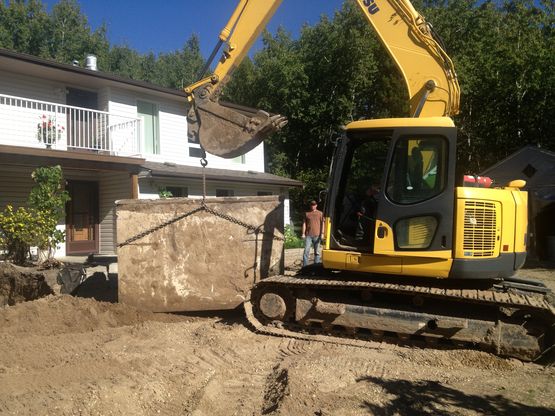
When a septic system breaks, it's messy and inconvenient. The last thing anyone wants to do is sit around and wait until someone can make it around to them. Wastewater Solutions has its own fully-equipped service truck and the manpower needed to staff it. This allows us to get out to your property and repair your septic system as quickly as possible.
Common Questions
My septic system isn’t working, is it a broken pipe?
When a septic system stops functioning properly, the most common assumption is that there is a broken pipe. While this is a possibility, it is much more likely that something else is going on. There are many different reasons for a septic system not to work. We won’t know for sure until get on site and take a look.
Why is my septic system not pumping anymore?
There are many different reasons for why your septic system is not pumping anymore. Some of these reasons include the field being full, a line being plugged or frozen, or it might be a broken pipe. The age of your septic system may also play a role in how well it functions. The average septic system lasts around 20 to 25 years. Once it approaches this age, it may be time to replace the system.
Did you know:
A sewage field should be kept in grass and mowed. What should you not put on top of your field? Livestock, structure, roadways, gardens, trees, or gravel; anything other than grass should not go on top of a sewage field!
Septic System Repairs FAQs (Expanded)
📍https://www.wastewatersolutions.net/services/septic-system-repairs/
1. What are the signs that my septic system needs repair?
Common signs include slow drains, sewage odors, gurgling pipes, pooling water near the drain field, or backups inside the home. These issues often indicate underlying problems such as blockages, pump failure, or drain field issues. Addressing them early can prevent more serious damage and costly repairs.
2. How quickly can septic repairs be completed?
The timeline depends on the type and severity of the issue, but many repairs can be completed quickly once the problem is diagnosed. Minor issues may be resolved in a single visit, while more complex repairs may take longer. Fast response is important to minimize disruption and prevent further damage.
3. Do you inspect the system before performing repairs?
Yes, a full system inspection is always performed to accurately identify the source of the problem. This may include checking the tank, pipes, pump system, and drain field. Proper diagnosis ensures the repair addresses the root cause, not just the symptoms.
4. What types of septic repairs do you handle?
Repairs can include fixing damaged pipes, replacing pumps, addressing drain field issues, repairing tanks, and resolving system blockages. Each repair is tailored to the specific issue and system type. Having experienced professionals ensures the repair is done correctly and efficiently.
5. Can a failing drain field be repaired or restored?
In some cases, a drain field can be restored depending on the level of damage and soil conditions. Techniques may include improving drainage or reducing system load. However, severely damaged fields may require partial or full replacement for long-term reliability.
6. What causes septic systems to fail?
Septic systems can fail due to lack of maintenance, excessive water usage, improper waste disposal, aging components, or poor initial design. Environmental factors such as soil saturation can also contribute. Understanding these causes helps prevent future issues.
7. Do you offer emergency septic repair services?
Yes, emergency services are available for urgent situations such as backups or overflows that require immediate attention. Quick response helps protect your home and prevent health hazards. Having access to emergency service provides peace of mind.
8. Can you repair older or outdated systems?
Yes, older systems can often be repaired or upgraded to meet current standards. This may involve replacing components or improving system efficiency. Upgrading older systems can extend their lifespan and improve performance.
9. How much do septic repairs typically cost?
Costs vary depending on the type of repair, system condition, and extent of the issue. Minor repairs are generally more affordable, while major system issues require a larger investment. A proper inspection is needed to provide an accurate estimate.
10. How can I prevent future septic problems?
Preventative maintenance is the best way to avoid costly repairs, including regular pumping, inspections, and responsible water use. Avoid flushing non-degradable items and manage water usage to reduce system strain. Consistent care significantly extends system life.