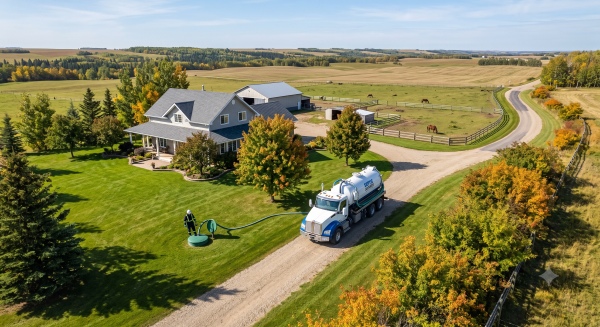
Septic tank pumping: Pumping is the process of extracting accumulated solid waste and sludge from a septic tank to maintain system efficiency. Most homes on a septic system need pumping every 3 to 5 years, depending on tank size, household size and water usage. Pumping prevents clogs, stink, slow drains and expensive drain field harm. A regular service may consist of checking tank levels, detecting leaks and proper waste disposal according to local regulations. To schedule the appropriate pumping and select a quality service, it is useful to understand how the system functions and what trouble signs to look for, which the following sections describe in plain steps.
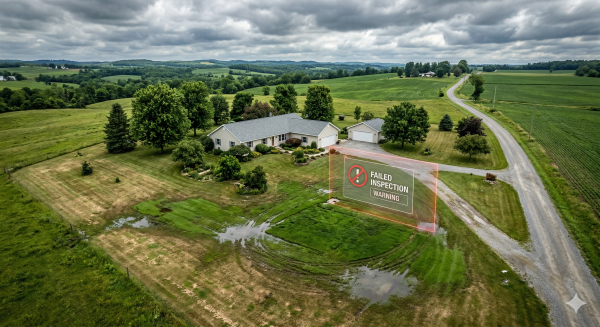
Septic installation mistakes are errors committed during the planning, sizing, placement, or setup of a septic system that can lead to system failure, health hazards, and expensive repairs. Common problems are inadequate site evaluation, undersized tanks, incorrect soil percolation data, and pipes laid without proper slope. Permit or local code skips also result in fines and mandated rework. Using non-approved materials, situating the drainfield too near wells or buildings, and neglecting groundwater depth increase the likelihood of leaks and backups. No access risers or inspection ports make maintenance slow and hard. To prevent premature clogs, a multitude of pros emphasize appropriate load calculations, effluent screens, and well-defined setback regulations. The sections below highlight key risks and remedies with simple steps.
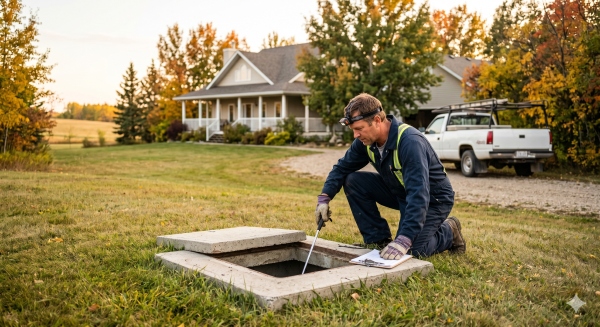
Septic system maintenance refers to a series of regular actions that keep a home’s septic tank and drain field healthy. Typical maintenance usually involves periodic pumping, monitoring water conservation, and limiting grease, harsh chemicals, and wipes from entering drains. Proper maintenance prevents clogs, backups, stinky odors, and expensive system failure in the soil and pipes adjacent to the tank. Many regions have regulations on inspection and waste treatment that connect directly to how a septic system gets maintained. When owners know the basic parts, how they work together, and common warning signs, they can plan simple habits that extend system life and cut repair bills.
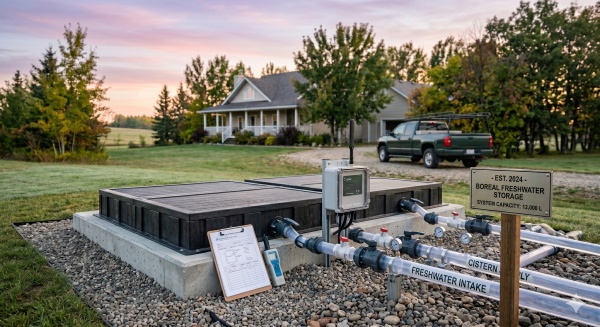
Freshwater cisterns were enclosed tanks or reservoirs that held rainwater or delivered water for homes, farms, and small communities. They assist individuals in maintaining a stable water source where public infrastructure is fragile, expensive, or even entirely nonexistent. Several homes have cisterns to capture their roof runoff, easing the burden on wells and conserving treated tap water for peak usage or drought. They can be made of just about anything, from concrete and masonry to plastic and fiberglass, all with varying prices, lifespans, and maintenance requirements. Crucial issues are water quality, secure construction, and periodic inspections to prevent leaks or pollution. The following pages cover principal varieties, design considerations, and maintenance measures for freshwater cisterns in everyday use.

Septic system cost Alberta is anywhere from $10,000 to $25,000 for a new install, depending on soil type, tank size and site work. Common tanks range from 3,000 to 5,500 liters, with prices increasing for advanced treatment units or mound fields. Permits and design add roughly CAD 800 to CAD 2,500, while perc tests and soil reports typically run CAD 300 to CAD 1,200. Trenching, gravel and pipe can add $2,000 to $8,000, more on rocky or wet land. Maintenance is around CAD 250 to CAD 500 for pump-outs every 2 to 5 years. To map out a reasonable budget, consider access, frost depth and distance to water. The next sections detail each expense and offer tips to reduce them.